Outdoor tent structures seem like an easy fix for shade or storage, but most pop-up canopies and fabric frames don’t survive a single Florida summer. Between UV degradation, sudden downpours, and gusty afternoon storms, that budget tent often ends up in the trash within a season. If you want real, lasting coverage for your patio, tools, or vehicles, a custom-built pavilion, pergola, or shed is almost always the smarter long-term investment.
At Sandalwood Sheds, we talk to homeowners across Central Florida every week who started with a tent canopy and are now ready for something that actually holds up. This guide breaks down when a tent structure makes sense, when it doesn’t, and what permanent alternatives deliver better value over time.
📌 Key Takeaways
- Fabric tent structures typically last 1-3 seasons in Florida’s heat and humidity before fading or tearing.
- Custom outdoor pavilions and metal-frame buildings withstand wind and rain far better than canvas or vinyl canopies.
- Rent-to-own and 90-days-same-as-cash financing make permanent structures more accessible than most people expect.
- Local wind and building codes matter — always check requirements before anchoring any large outdoor structure.
- A hybrid approach (small canopy now, permanent structure later) works for many budgets.
Jump to a section:
- What Are Outdoor Tent Structures — And Why They Struggle Here?
- Outdoor Tent Structures vs. Permanent Backyard Buildings
- Custom Outdoor Pavilions: The Upgrade Homeowners Are Choosing
- Choosing Between Sheds, Carports, and Covered Structures
- Cost, Financing, and Rent-to-Own Options
- Maintenance and Storm Season Prep
- FAQ: Your Outdoor Structure Questions Answered
What Are Outdoor Tent Structures — And Why They Struggle Here?
Quick Answer: Outdoor tent structures are fabric-and-frame canopies — pop-up tents, party tents, or vinyl carport covers — designed for temporary use. In Central Florida’s climate, they typically break down fast because of intense UV exposure and frequent storms.
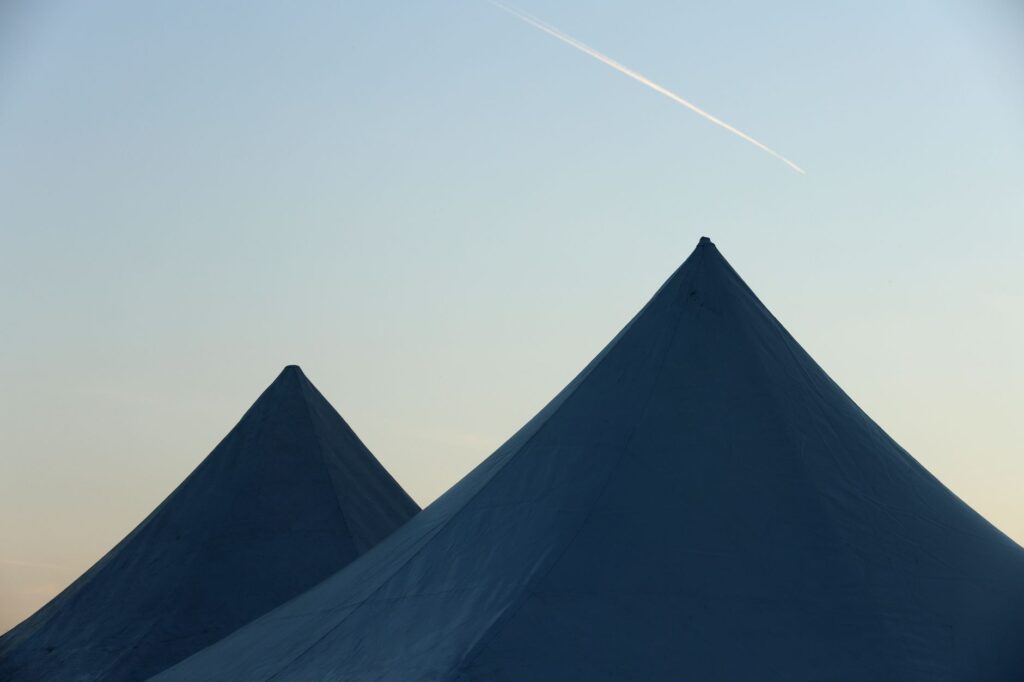
A tent structure relies on a lightweight metal or PVC frame with a fabric or vinyl skin. That design is easy to set up, but it’s also the weak point. Constant sun bleaches and weakens the fabric, while wind uplift can bend frames or rip the covering entirely.
The Florida Weather Factor
According to the National Weather Service, Central Florida sees frequent thunderstorms and tropical systems from June through November, often with sudden 40-60 mph wind gusts. Most consumer-grade tent structures aren’t rated for that kind of load. I’ve personally seen customers in Ocala lose an entire canopy frame in a single afternoon storm — the fabric acted like a sail and took the poles down with it.
⚠️ Common Mistake: Anchoring a lightweight tent structure with stakes alone. Without proper ground anchors or weighted bases, even a moderate gust can lift the entire frame off the ground.
When a Tent Still Makes Sense
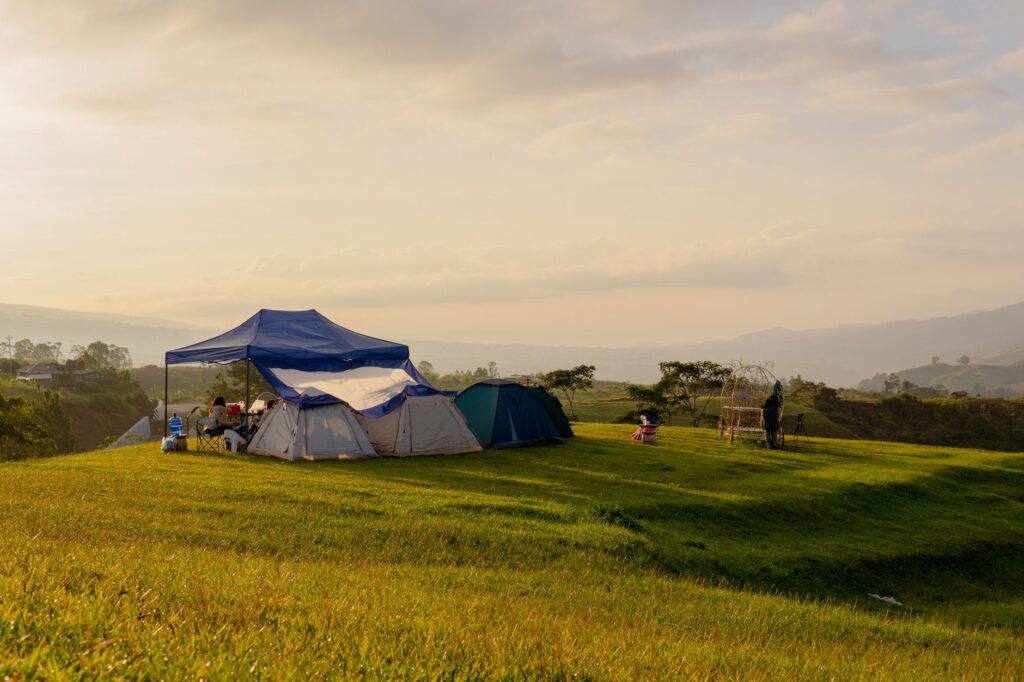
Tent structures aren’t useless — they’re fine for a one-day event, a temporary plant nursery, or short-term equipment cover while you plan something permanent. The problem is when homeowners treat them as a long-term patio cover or storage solution. That’s when a shed, pavilion, or carport becomes the better call.
Outdoor Tent Structures vs. Permanent Backyard Buildings
Quick Answer: Permanent structures cost more upfront but last decades longer, require far less maintenance, and typically add real property value — something a tent frame never does.
Comparing the two side by side makes the trade-offs clear. Below is a breakdown based on what we see in the field across counties like Marion, Alachua, and Polk.
| Feature | Outdoor Tent Structure | Permanent Pavilion/Shed |
|---|---|---|
| Typical Lifespan | 1-3 seasons | 20-40+ years |
| Wind/Storm Resistance | Low to moderate | High (engineered framing) |
| Maintenance | Frequent cleaning, re-tensioning | Occasional roof/paint upkeep |
| Upfront Cost | Low ($100-$1,500) | Moderate to higher (financing available) |
| Property Value Impact | None | Positive, adds usable square footage |
| Best Use | Short-term events, temporary cover | Year-round storage, living, or parking |
Why Homeowners Upgrade
Most of our customers come to us after a tent structure failed during a storm or simply looked worn out after one Florida summer. They want something that matches their home, holds up to weather, and doesn’t need replacing every year. That’s the exact gap a custom pavilion or metal building fills.
💡 Expert Insight: If you’re only covering a grill or small seating area, a smaller pergola-style structure may be all you need — you don’t always have to jump straight to a full building.
Custom Outdoor Pavilions: The Upgrade Homeowners Are Choosing
Quick Answer: Custom outdoor pavilions give you the open, airy feel of a tent structure with the durability of real lumber or metal framing — built to your yard’s exact dimensions and style.
Unlike a mass-produced gazebo kit, a custom pavilion is designed around how you actually use your space. Whether it’s outdoor pergolas and gazebos for entertaining, or a fully roofed covered area for year-round shade, the framing is engineered to handle regional wind loads rather than folding under the first strong gust.
Pavilions, Pergolas, and Covered Porches — What’s the Difference?
These terms get used interchangeably, but they’re not identical. A pergola typically has an open lattice roof for partial shade. A pavilion has a full solid roof, often standalone in the yard. Outdoor porches are typically attached to the home. Each solves a slightly different problem, and choosing wrong is a common regret we hear about.
Matching Style to Your Property
Homeowners in growth areas like Gainesville, Tampa, and Orlando often want a pavilion that echoes their home’s roofline and siding. That’s where working with a local builder pays off — a factory-direct tent canopy can’t be matched to your house, but a custom carport or pavilion-style structure can.
✅ Quick Tip: Ask any builder for their wind-rating documentation before signing a contract. Reputable outdoor structure builders should be able to show engineering specs, not just a sales brochure.
Choosing Between Sheds, Carports, and Covered Structures
Quick Answer: The right structure depends on your primary need — storage points toward a shed, vehicle protection points toward a carport, and outdoor living points toward a pavilion or covered porch.
It helps to think in terms of function first, aesthetics second. A tool-heavy household in Lakeland might prioritize an accessory building with shelving, while a family in Palatka hosting weekend cookouts may want an open covered space instead.
Outdoor Sheds and Storage Buildings
If your main frustration is a garage full of lawn equipment, an outdoor shed solves that instantly. Options range from a compact utility shed to a full cottage shed with windows and a porch. Unlike tent-style storage tents, these structures lock, insulate, and resist pests.
Carports and Vehicle Coverings
For boats, RVs, and daily drivers, a steel-framed carport beats a fabric car canopy in every measurable way. Sandalwood’s metal building options are engineered for regional wind codes, something most fabric coverings simply can’t claim.
📊 Data Point: The International Code Council sets wind-load standards that many county building departments in Florida adopt directly — a key reason engineered metal and wood structures outperform tent-style coverings in permitting and insurance reviews.
Combining Structures for Maximum Use
Some of our best projects combine a shed for storage with an attached covered porch for shade — giving homeowners in Ocala and Daytona Beach both function and outdoor living space in one build. It’s a practical way to avoid needing a separate tent structure altogether.
Cost, Financing, and Rent-to-Own Options
Quick Answer: Permanent structures cost more than a tent canopy but are far more affordable than most people assume once financing is factored in, including rent-to-own plans with no long-term contract required.
A common myth we hear is that only a fabric tent fits a tight budget. In reality, most homeowners qualify for manageable monthly payments, and many never have to pay the full price upfront at all.
Rent-to-Own Explained
Rent-to-own means you make regular payments toward ownership without a traditional bank loan or long-term commitment — a good fit for anyone with less-than-perfect credit or who prefers flexibility. It’s one of the most requested options among our customers in Sumter and Hernando counties.
90-Days-Same-As-Cash
For buyers who can pay off the balance quickly, Sandalwood also offers a 90-days-same-as-cash financing plan, which avoids interest entirely if paid within that window. It’s a straightforward way to fund a structure without draining savings all at once.
⚠️ Common Mistake: Assuming financing isn’t available for outdoor structures. Most reputable builders, including Sandalwood, offer multiple payment paths — it’s worth asking before ruling out a permanent build.
Maintenance and Storm Season Prep
Quick Answer: Permanent outdoor structures need far less upkeep than tent frames, but a quick seasonal check keeps them performing at their best through Florida’s storm season.
Even engineered structures benefit from routine attention. A short annual checklist goes a long way toward avoiding surprises during hurricane season.
Simple Seasonal Steps
- Inspect roof fasteners and flashing each spring before storm season begins.
- Clear gutters and roof valleys of debris that can trap moisture.
- Check for rust spots on metal framing and touch up protective coating as needed.
- Trim overhanging branches that could fall on the structure during high winds.
- Confirm anchoring points are still secure, especially after any major storm.
Agencies like FEMA regularly publish guidance on securing outdoor structures ahead of hurricane season, and it’s worth a quick review each year if you live near the coast in areas like St. Augustine or Flagler Beach.
💡 Expert Insight: A five-minute post-storm walk-around catches most issues before they become expensive repairs — it’s the single habit that extends a structure’s life the most.
FAQ: Your Outdoor Structure Questions Answered
Are outdoor tent structures worth it for Florida homeowners?
Outdoor tent structures work fine for short-term or occasional use, but they generally aren’t worth it as a permanent solution in Florida. Sun exposure and storm winds tend to wear them out within a season or two, making a shed or pavilion a better long-term value.
What’s the difference between a pavilion and a gazebo?
A pavilion usually has a full solid roof and open sides, built for shade and gathering space. A gazebo is typically smaller, often octagonal, and sometimes includes screening or lattice walls for a more enclosed feel.
How much does a custom outdoor pavilion cost compared to a tent canopy?
A quality fabric tent canopy might run a few hundred dollars, but it typically needs replacing every 1-3 years. A custom pavilion costs more upfront, though financing options like rent-to-own can spread that cost into manageable monthly payments while lasting decades longer.
Can I get a shed or pavilion in Ocala, Gainesville, or Tampa?
Yes — Sandalwood Sheds serves homeowners throughout Central Florida, including growth areas like Ocala, Gainesville, Tampa, Orlando, and Daytona Beach. You can check availability and delivery details on the Ocala service area page.
Do outdoor structures need a building permit in Florida?
Many permanent outdoor structures, including sheds and carports over a certain size, require a permit under local building codes. Requirements vary by county, so it’s best to confirm with your local building department before installation begins.
What outdoor covered area option works best for entertaining?
An open pavilion or attached porch tends to work best for entertaining since it offers shade without fully enclosing the space. Adding a ceiling fan or lighting can make the covered area comfortable for evening gatherings as well.
How do I find reliable outdoor furniture near me to pair with a new structure?
Once your pavilion or covered porch is built, most local home and patio retailers can outfit the space with weather-resistant furniture. Choosing furniture rated for outdoor humidity and UV exposure helps it hold up as well as the structure itself.
Final Thoughts
Outdoor tent structures have their place for short-term needs, but they simply aren’t built to survive Florida’s sun and storms long-term. A custom pavilion, shed, or carport delivers far better durability, style, and everyday function — and with financing options like rent-to-own, it’s more attainable than most homeowners expect.
- Decide whether your priority is storage, vehicle protection, or outdoor living space.
- Compare engineered structures against any tent-style option you’re considering.
- Ask about financing, including rent-to-own and 90-days-same-as-cash plans.
- Confirm local permit requirements for your county before building.
- Request a custom quote based on your yard’s size and style.
Ready to replace flimsy outdoor tent structures with something built to last? Request your free custom quote from Sandalwood Sheds today and see what fits your Central Florida backyard.