
A little groundwork before delivery day is what keeps your building sitting square, dry, and level for the next twenty years. Good news: most yards in Marion County need less work than people think, and we walk you through it so nothing about delivery day catches you off guard. Pick the right spot, give it a firm and level base, clear a path for the truck, and we will handle the delivery and setup from there.
To prep your site for a shed in Ocala, pick a firm, well-drained spot, build a level base (a compacted gravel pad about six inches deep that extends a foot past the building on every side), and clear roughly forty feet of access so the delivery truck can reach it. Sandalwood delivers and sets up free within fifty miles of Belleview.
Your building is only as good as the ground it sits on. Set a quality shed on soft, uneven dirt and you invite the problems that make people regret an outdoor building: doors that stop latching, a floor that sags, water that creeps under one corner, and siding that works loose as the building twists. None of that is the building’s fault. It is the base.
Florida adds two wrinkles. Our sandy soil drains fast but shifts and settles, and our summer storms drop water in a hurry, so a spot that looks fine in March can hold a puddle in July. A firm, level, well-drained base keeps the floor off the wet ground, lets the building shed water the way it was designed to, and gives the setup crew a square footprint to anchor to.
The honest part: getting this right up front costs a weekend of light work or a small load of gravel. Getting it wrong costs you the headache of fixing it with a fully built shed already in the way. Prep once, prep right, and forget about it.
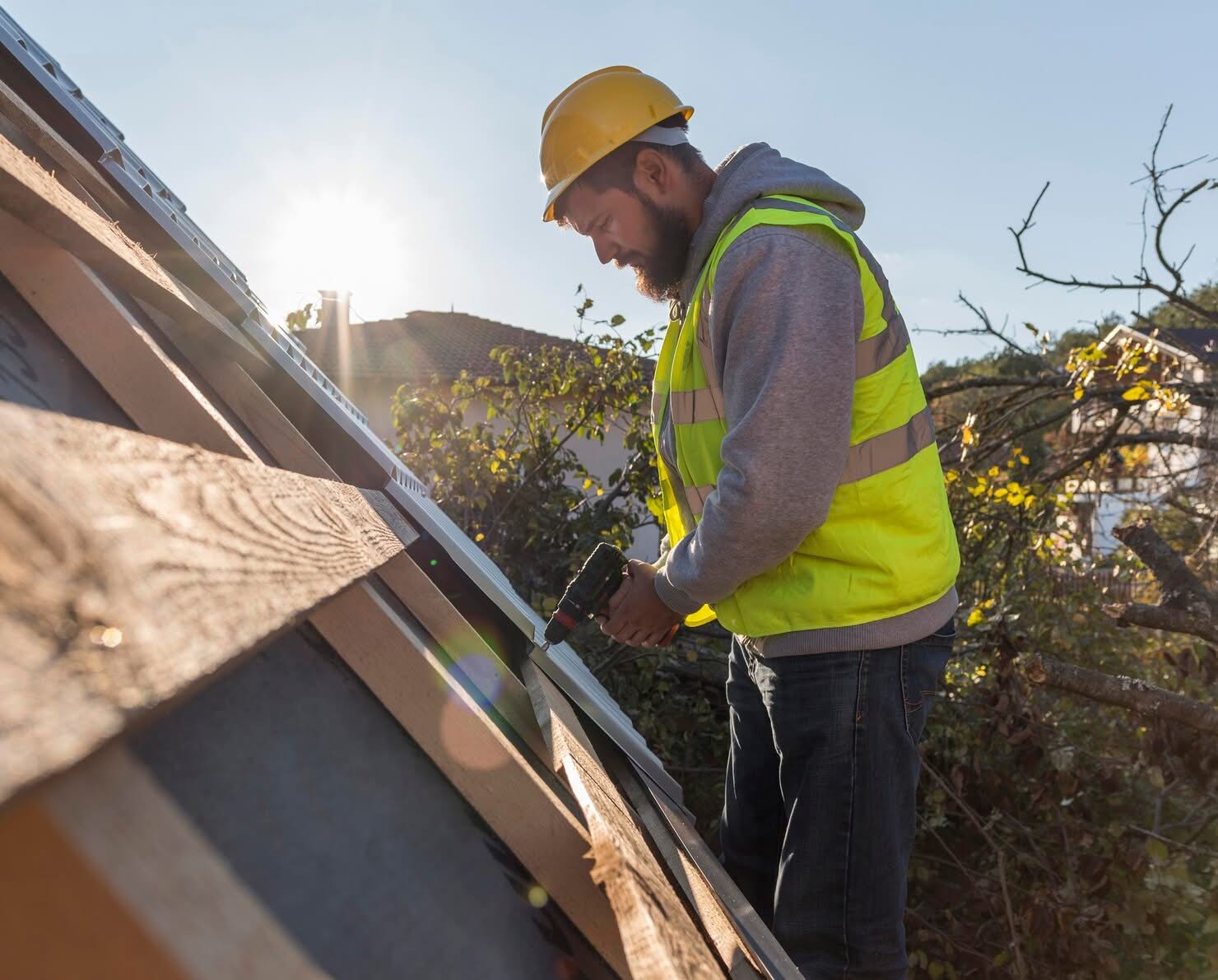
1. Pick the right spot. Choose a high point in the yard with good drainage away from the building, not a low corner where water collects. Mind setbacks from property lines and any HOA rules, and keep the spot in mind for how you will actually use the building (close to power if you want electrical, easy to reach with the mower or the truck).
2. Clear the area. Remove brush, stumps, roots, rocks, and debris from the footprint and a few feet around it. Pull back low tree branches; the delivery equipment needs clearance overhead, generally nothing hanging lower than about fourteen feet over the site.
3. Build a firm, level base. For most sheds, a compacted gravel pad is the sweet spot. For larger or heavier buildings, a concrete slab may be the better call. We cover both below so you can choose with your eyes open.
4. Level it. The pad has to be level even if your yard is not. Check every corner and every side. A building set on an out-of-level base will fight you for years.
5. Clear the path for delivery. Give the truck a wide, firm route to the spot with about forty feet of open clearance in front of the site and a few feet of working room around it. If you are unsure your access works, tell us before delivery day and we will help you figure it out.
Delivery goes smooth when the truck and the moving equipment can reach the spot. As a rule of thumb, plan for about forty feet of open, firm clearance in front of where the building will sit so the driver can maneuver and set it, plus a few feet of working room around the pad for the crew. The path needs to be wide enough for the trailer and solid enough not to bog down in soft sand after a rain.
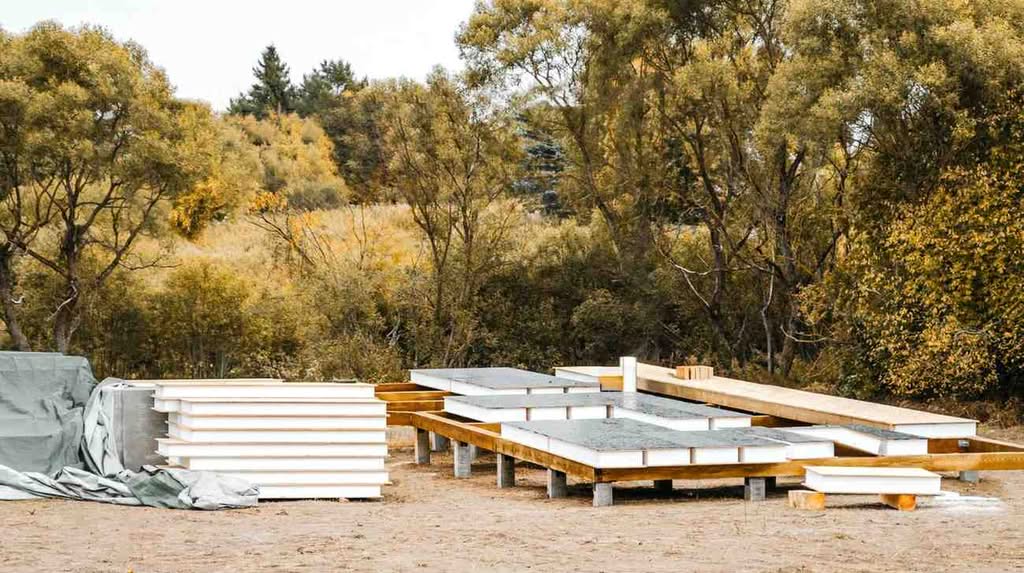
Watch for the things that quietly block a delivery: a narrow gate, a low or soft spot, an overhanging roofline, tree limbs hanging into the path, a fence corner, or a septic field you do not want heavy equipment crossing. Branches should clear roughly fourteen feet overhead. If you have a tight lot or a tricky approach, that is not a dealbreaker, it just means we plan for it. Send us a photo or tell us about the access when you order, and we will sort the route out before the truck rolls.
Two bases cover almost every shed in our area: a gravel pad or a concrete slab. Here is the straight version of when each one makes sense.
A gravel pad is the workhorse for most sheds, and for good reason. Build it from compacted crushed stone (three-quarter-inch road base, not pea gravel, which shifts under weight) about six inches deep, and size it a foot larger than the building on every side. So a 10×16 shed wants roughly a 12×18 pad. Gravel drains, which matters a lot in Florida humidity. It keeps the treated floor up off wet ground, it does not trap moisture under the building, and it costs far less than concrete. For the great majority of storage sheds, lofted barns, and she-sheds, a good gravel pad is all you need.
A concrete slab earns its keep on the big, heavy, or high-traffic buildings: a garage you will drive into, a workshop with heavy equipment, or a commercial building. Concrete is the most wind-resistant base because of its weight and its fixed connection to the ground, and it gives you a hard, clean floor. It costs more and takes longer to cure, so it is worth it when the building calls for it, and overkill when it does not.
Not sure which way to go? Tell us what the building is for and how big it is, and we will tell you honestly. If a gravel pad does the job, we are not going to talk you into a slab you do not need.
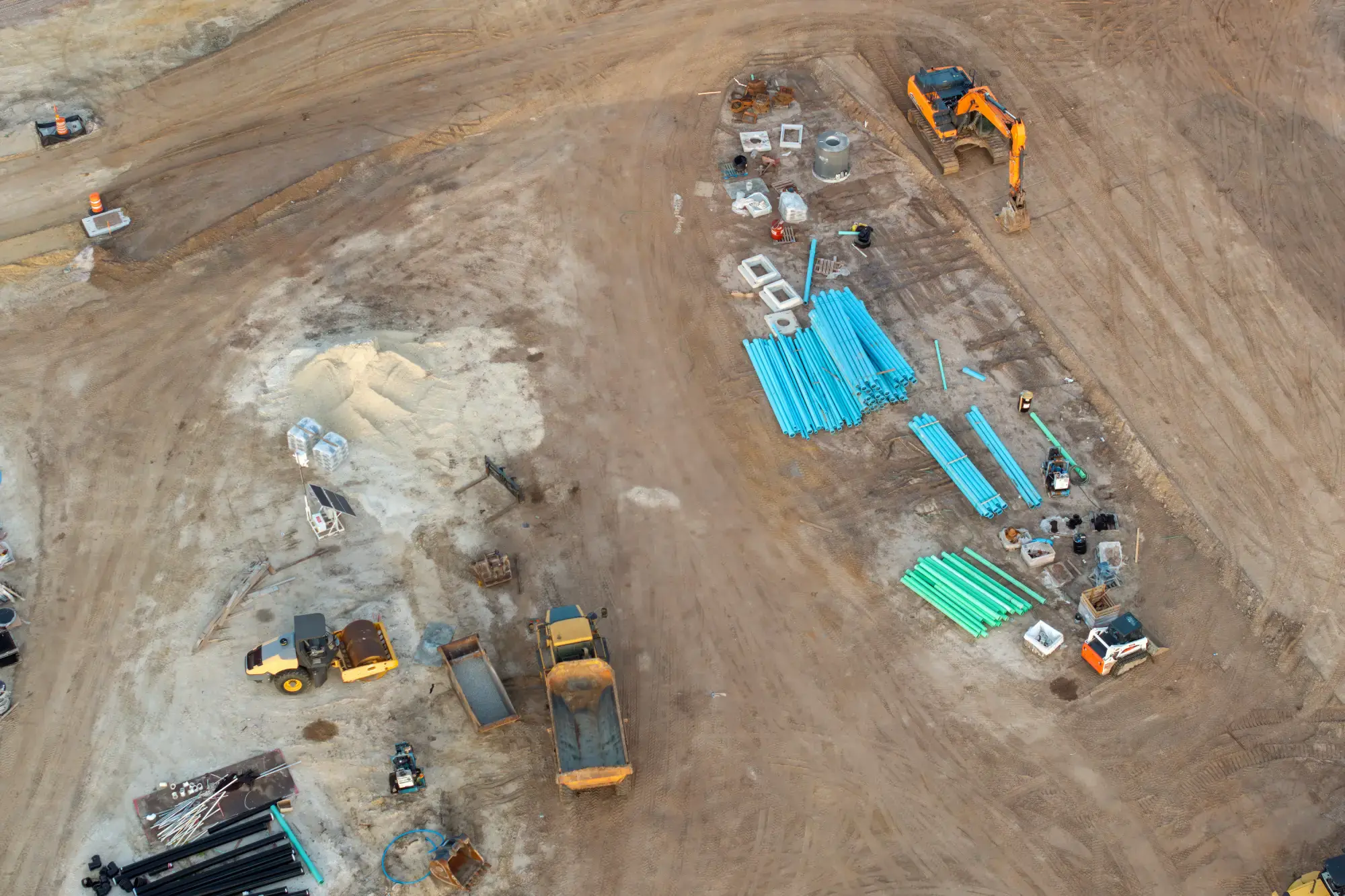
Level matters more than people expect. A shed that sits even a little off will have doors that drag or swing open on their own, a floor that feels wrong underfoot, and gaps that let weather and pests in over time. The goal is a base that is level across its whole footprint, every corner and every side, even when the yard around it slopes.
Our setup crew levels the building on delivery using blocks and shims, so you do not need a perfectly flat acre. What you do need is a spot that is reasonably close to start with and a base that holds level once we set it. A gentle slope is easy to work with. A steep grade, a spot that holds water, or ground that has never been compacted is where you want a gravel pad to even things out before we arrive. If your yard has real slope to it, tell us, and we will tell you what the spot needs.
In Florida, anchoring is not an afterthought. A gravel pad gives you a firm base, but gravel by itself does not hold a building down against the uplift of a strong storm. That is what anchors are for. Auger-style earth anchors (sometimes called ground anchors) screw deep into the soil and tie the building down so wind cannot lift or shift it. In our sandy soil, anchors need to reach down to solid, undisturbed ground to grab the way they should, which is why depth matters here more than it does up north.
A concrete slab, because of its weight and its fixed connection to the ground, is the most wind-resistant base on its own, and buildings are tied to it as well. Whichever base you choose, plan on anchoring. If you want it covered as part of setup, ask us when you order and we will walk you through how your building gets tied down for our weather.
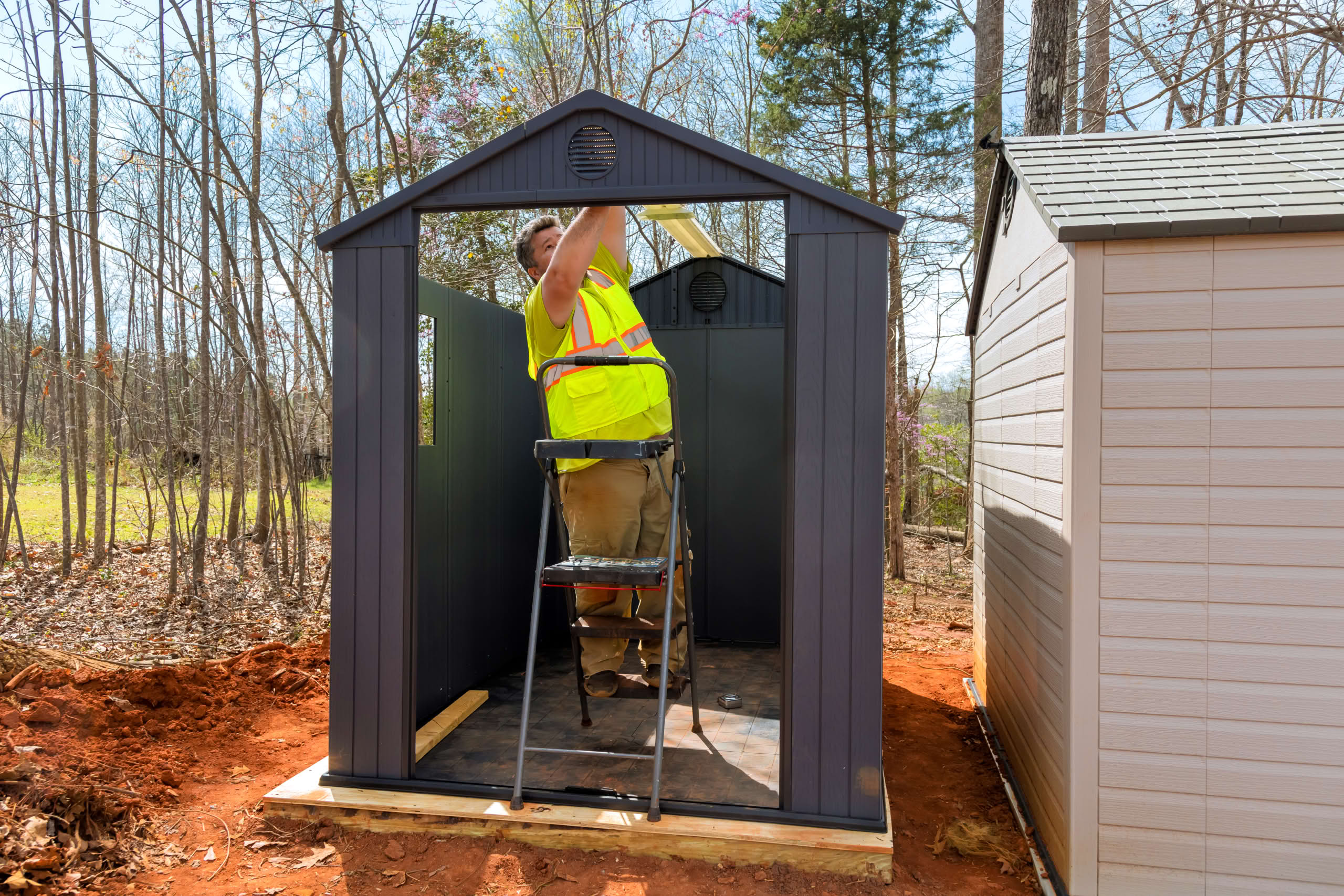
Site prep and permitting are two different things, and it helps to keep them straight. Prepping your spot is about the base and the access. A permit is about your local rules. In much of Marion County, a 10×16 building (160 square feet) or smaller does not require a permit when you are outside city limits, which is one reason the 10×16 is our most popular size. Inside Ocala, Belleview, and Dunnellon city limits, and under some HOAs, the rules differ, and setbacks and zoning still apply everywhere.
We do not pull permits, and a permit is not required for us to deliver. But we are happy to point you in the right direction so you stay on the right side of the county. Start with our plain-English rundown of local rules.
Here is the simple split. You get the spot ready: pick it, clear it, build a firm and level base, and open up the access. We take it from there. Our crew delivers the building, sets it on blocks, levels it, and gets it sitting square so it works the way it should from day one.
Delivery and setup are included free within fifty miles of Belleview, with free delivery on custom factory orders up to one hundred seventy miles. In-stock buildings usually arrive in seven to ten days, custom factory orders in about twenty to twenty-five. The price we quote is all-in, with delivery and setup included and no surprise fees tacked on at the end. And if you are not sure your site is ready, that is exactly the kind of question we would rather answer before delivery day than after. Ask us early and we will save you the do-over.
Picture delivery day going the way it should. The pad is firm and level, the path is clear, and the truck rolls right to the spot. The crew sets your building, levels it, and squares it up. The doors latch clean, the floor feels solid, water runs away instead of pooling, and the whole thing is tied down for Florida weather. You walk in, set down the first box, and the building does its job. That is the whole point of a little groundwork up front: years of a building that sits right and never gives you a reason to think about its foundation again.

Pick a high, well-drained spot, clear the footprint of brush and debris, build a firm and level base (a compacted gravel pad works for most sheds), and open about forty feet of access for the delivery truck. Have it ready a few days before your delivery window. If you are unsure, send us a photo and we will tell you what the spot needs.
For most sheds, a compacted gravel pad about six inches deep, built one foot larger than the building on each side. Gravel drains well, which matters in Florida humidity, and costs far less than concrete. For large garages, workshops, or commercial buildings, a concrete slab is worth the extra cost and is the most wind-resistant base.
The base needs to be level across its whole footprint, every corner and side, even if the yard slopes. Our crew levels the building on blocks at delivery, so you do not need a perfectly flat yard, but a reasonably close, compacted spot makes for the best result. Steep grades or spots that hold water should be evened out with a gravel pad first.
Plan for roughly forty feet of firm, open clearance in front of the spot so the driver can maneuver and set the building, plus a few feet of working room around the pad and about fourteen feet of overhead clearance. Narrow gates, soft sand, and low limbs are the usual snags. Tell us about tight access ahead of time and we will plan the route.
Yes. A base holds the building up, but anchors hold it down against storm winds. Auger-style earth anchors screw into the soil and tie the building down, and in our sandy ground they need to reach solid, undisturbed earth. Ask us about anchoring when you order so it is covered for our weather.
Yes. We would rather solve a tricky site before delivery day than after. Send a photo or describe your access and slope when you order, and we will tell you honestly what the spot needs and how we will get the building in and set. If a smaller building or a different spot is the smarter call, we will say so.
All-in pricing, delivery and setup included within fifty miles of Belleview, and honest guidance from a veteran-owned, family-run local dealer. When you know what you are using it for, we will take it from there.