Carports come in three roof styles: regular, A-frame (boxed eave), and vertical. The difference is how the metal panels run and how well rain drains off. In Florida, a vertical roof sheds heavy rain and stands up to storm winds the best, which is why we point most buyers toward it. Regular and A-frame roofs cost less and work well for lighter, smaller, or shorter-term covers.
You want a cover that protects your truck, RV, boat, or equipment and keeps doing it through every Florida summer, not one that leaks or loses a panel the first storm season. Here is the honest difference between the three roof styles, so you can pick the right one for your property and your budget.
For most Florida properties, a vertical roof is the one we recommend, and it helps to understand why before you spend. On a vertical roof the metal panels run from the peak straight down to the edge, so rain, leaves, and debris slide off instead of sitting on top. That drainage is what makes it hold up through heavy summer storms and hurricane-season rain.
A regular roof is the most affordable, and an A-frame (boxed eave) roof gives you the look of a house roof for a little more. Both run their panels sideways, which works fine for lighter use and smaller covers. If your cover is large, permanent, or protecting something you care about, the vertical roof earns its extra cost. We will tell you honestly which one fits your situation.
Every metal carport, cover, and steel garage we build comes in one of three roof styles. They are priced from least to most: regular, then A-frame, then vertical. The name describes the roof, not the building under it, so you can put any of these styles over a single-car cover, an RV or boat port, or a fully enclosed garage.
The real choice comes down to two things: how the panels are oriented, and how the roof finishes at the edges. Those two details decide how the roof drains, how it handles wind, and how long it lasts in this climate. Below we break down each one in plain terms, then show you the side-by-side. Browse the full carport lineup here.
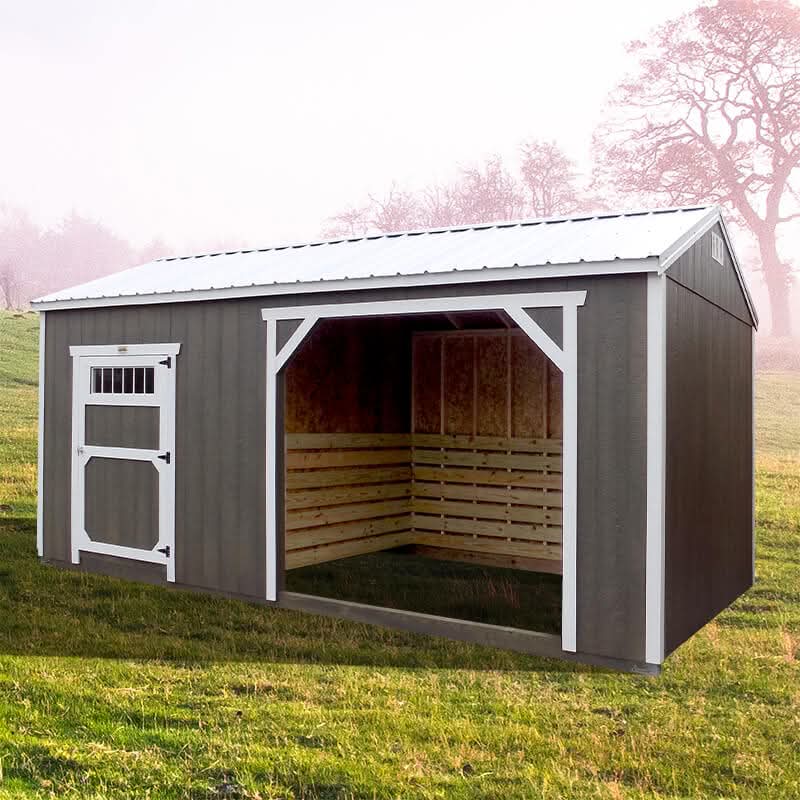
A regular roof is the original, most affordable carport style. The metal panels run horizontally, side to side, and the corners are rounded so the roof curves over the edges. It is quick to build, easy on the budget, and a fine pick for a basic cover.
Where a regular roof fits: a short-term cover, a smaller single-vehicle or equipment shelter, or a tight budget. If you need shade and basic rain cover over a car or a riding mower and the unit is on the smaller side, this style does the job and saves you money.
Where it falls short: because the panels run sideways and the eaves are open, heavy rain and debris can collect rather than run straight off. In Florida’s downpours, that matters more than it would up north. For a wide span or a cover you plan to keep for the long haul, we usually steer you up a level. See regular roof carports here.
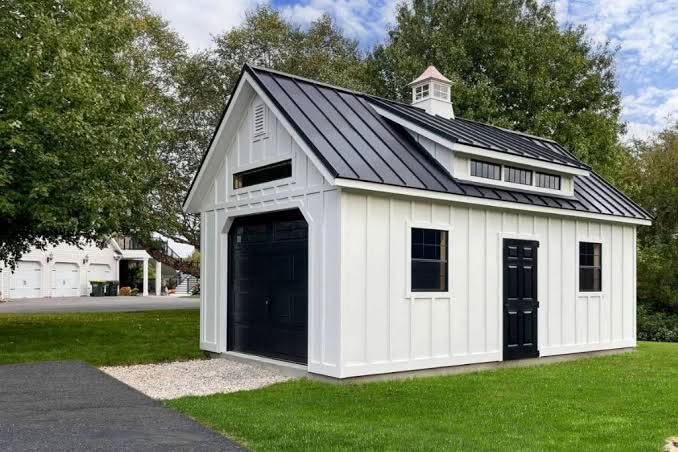
An A-frame carport, also called a boxed eave, takes the same horizontal panels as a regular roof and finishes them like a house roof. The sides come to a peak, and the eaves are boxed in with trim instead of left open and rolled. The result looks like a traditional home roofline, which is why people pick it when the cover sits near the house and they want it to match.
The upgrade here is mostly about looks and a cleaner finish. An A-frame handles weather a bit better than a regular roof thanks to the pitched, trimmed design, and it pairs well with a home or a neighborhood where appearance counts. The panels still run horizontally, though, so for the heaviest rain and the widest spans it does not drain as well as a vertical roof. If you want the house-roof look without the top-tier price, this is the middle choice.
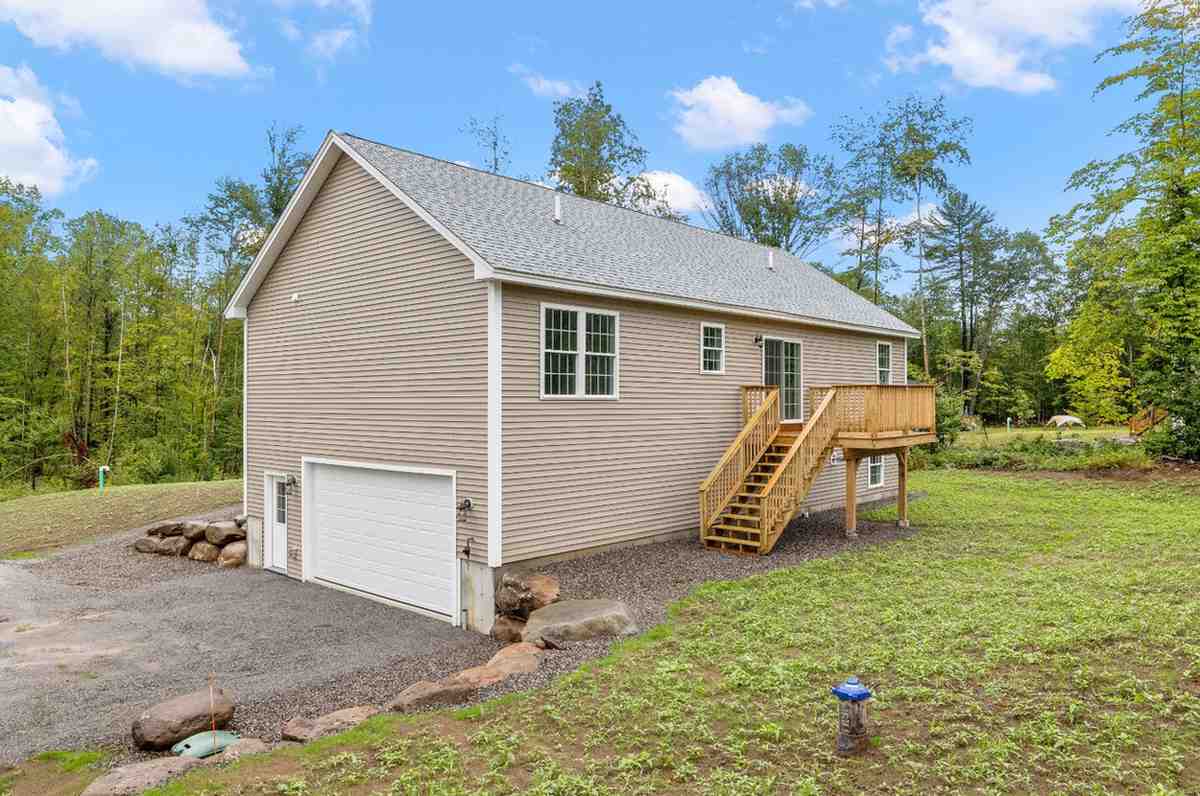
A vertical roof runs the metal panels the other way, from the peak straight down to the eaves, with a ridge cap on top and hat channels supporting them underneath. Turning the panels vertical lets water, leaves, and debris flow straight off the roof instead of pooling on it. That one change is the reason this style lasts longest and handles storms best.
For Florida, that drainage is not a luxury. Our summers bring near-daily downpours, and hurricane season brings wind-driven rain that punishes a roof that holds water. A vertical roof sheds it. The vertical panels and the extra bracing also make the roof stiffer against wind uplift, which is exactly what you want when a storm rolls through. It is the most expensive of the three, and on a large or permanent cover it is the one we recommend most often. See vertical roof carports here.
Here is the detail most buying pages skip, and it is the one that actually matters. On regular and A-frame roofs the panels run horizontally, side to side. On a vertical roof they run up and down. Water always wants to travel along the seams between panels. When the seams run sideways, water and debris ride along them, can sit, work into the laps, and find a way in over time. When the seams run vertically, gravity carries everything straight off the edge.
That is why a vertical roof is the standard for larger buildings and for anywhere with serious rain. It is also why we will not put a wide regular roof over something valuable and call it good. If a smaller regular or A-frame cover is truly right for your use and budget, we will say so. But when the question is which roof survives a Florida storm season year after year, the honest answer is the one with vertical panels.
The vertical roof, in most cases. Florida tests a cover three ways: heat that expands metal and works at fasteners, downpours that flood a flat-draining roof, and storm winds that lift a poorly braced one. A vertical roof answers all three better than the other two styles because of how it drains and how it is braced.
The stakes are real if you choose wrong. A regular roof that holds water can develop leaks and let your RV or boat sit in the wet. A light, sideways-paneled roof on a wide span can rattle loose or lose panels in high wind, and then the thing you bought to protect your equipment becomes the problem in the storm. Anchoring matters too, and we set and anchor every cover correctly for your site, whether it lands on concrete, asphalt, or ground. The point is to buy a cover that does its job through the weather, not one you are repairing after it.
Often, yes, and here is the honest math. A regular roof costs the least up front, an A-frame sits in the middle, and a vertical roof costs the most. If your cover is small, light-duty, or short-term, the savings on a regular or A-frame roof can be the right call, and we will tell you when that is true.
But if the cover is large, permanent, or protecting a vehicle, RV, boat, or business equipment, the vertical roof usually earns its price by lasting longer and leaking less. Spread that cost over the years it serves you and the extra is small against a roof you do not have to repair or replace. We price every carport all in, with delivery and setup included and no hidden fees, so the number you hear is the number you pay. If financing makes it easier, we have honest options.
Joe has spent 30 years building, including custom homes, before selling buildings here in Florida, so he knows what a roof has to do to survive this climate. Sandalwood is veteran-owned, family-run, and a Stor-Mor authorized dealer, and since taking over we have delivered around 200 buildings with zero repossessions.
That record comes from giving people the straight answer, including when the cheaper roof is the right one. We would rather size your cover right and earn the referral than sell you more than you need. When you tell us what you are covering and where it sits, we will point you to the roof style that fits, then deliver and anchor it correctly.
Tell us what you are covering and where it goes. A car, a truck, an RV or boat, farm equipment, or a business fleet, and how exposed the spot is.
We confirm the roof style, size, and gauge that fit your use and your budget, and price it all in with delivery and setup included.
We deliver, set it, and anchor it right for your site, then stand behind it.
Regular, A-frame (boxed eave), and vertical. A regular roof has horizontal panels and curved edges, an A-frame adds a peaked, house-style roof with boxed eaves, and a vertical roof runs the panels from the peak to the edge for the best drainage. They are priced from least to most in that order.
A vertical roof, in most cases. Its vertical panels shed heavy rain and debris instead of letting them pool, and the extra bracing handles storm winds better. For small or short-term covers, a regular or A-frame roof can still be the right, cheaper choice.
A boxed eave (A-frame) roof has horizontal panels with the eaves trimmed to look like a house roof. A vertical roof turns the panels upright so water runs straight off. The boxed eave is mostly about looks, while the vertical is about drainage and storm durability.
For large, permanent, or valuable covers, usually yes. It drains better, resists wind better, and tends to last longer with fewer repairs, so the higher price spreads out over a longer life. For light or short-term use, the savings on a regular or A-frame roof may make more sense.
It is more prone to pooling and leaks than a vertical roof because the horizontal panels and open eaves let water and debris collect. A regular roof works for lighter use, but for Florida downpours over something you want protected, a vertical roof is the safer pick.
Yes. We deliver and set up carports across Marion, Sumter, Citrus, Lake, Alachua, and Levy counties, with delivery and setup included anywhere in Florida. We anchor every cover correctly for your site.
Picture your truck, RV, or equipment dry and protected through every Florida storm season, with a roof that sheds the rain instead of holding it. Tell us what you are covering and we will match you to the right roof style and price it all in. If a smaller regular or A-frame cover is the right call for you, we will tell you.