An outdoor shed is one of the fastest ways to solve a cluttered garage without adding onto your house. In Florida, the right shed also has to survive humidity, sun, and hurricane-season winds — not every box-store kit is built for that. This guide breaks down sizes, materials, permits, and pricing so you can choose a structure that actually holds up in Ocala, Tampa, or Jacksonville summers.
Most homeowners underestimate how much a shed protects their investment. A mower, tools, or seasonal furniture left exposed on a patio degrades fast in Florida’s climate. A well-built outdoor storage building pays for itself within a few seasons just in avoided replacement costs.
📌 Key Takeaways
- Wood and metal outdoor sheds both perform well in Florida if rated for local wind speeds.
- Marion, Alachua, and Duval counties each have their own permit thresholds — check before you build.
- Rent-to-own and financing options make a quality shed accessible without a lump-sum payment.
- Sizes from 8×8 up to 12×24 cover everything from tool storage to a backyard studio.
- Delivery and installation should be included, not an afterthought, to avoid site-prep surprises.
Jump to a section:
- Pick the Right Shed Size
- Compare Materials: Wood vs. Metal
- Understand Florida Permit Rules
- Budget for Your Outdoor Shed
- Match a Shed Style to Your Property
- Frequently Asked Questions
Pick the Right Shed Size
Quick Answer: Most Florida homeowners land between a 10×12 and 10×20 outdoor shed, depending on whether it’s for tools, lawn equipment, or a workshop. Measure your largest items first, then add walking room.
A small 8×8 shed suits basic yard tools and a couple of bikes. Step up to a 10×16 or 10×20 if you’re storing a riding mower, kayaks, and holiday decor together. Families in Lakeland and Orlando often choose a utility shed in the 10×12 range as an easy first upgrade from garage clutter.
When a Shed Becomes a Workspace
Some buyers want more than storage. A studio shed with insulated walls and windows can double as a home office, art room, or gym. This is a growing trend among Gainesville and Saint Augustine homeowners who need space but don’t want a full addition.
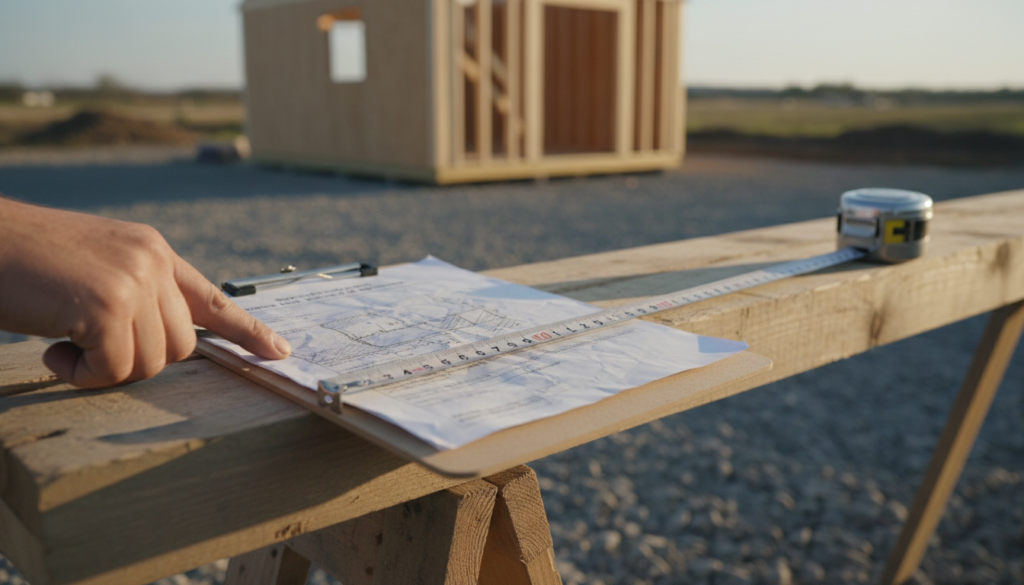
✅ Quick Tip: Walk your yard with a tape measure and mark the footprint with stakes before ordering. It’s the easiest way to avoid an oversized shed that crowds your fence line.
Compare Materials: Wood vs. Metal
Quick Answer: Wood sheds offer a classic look and easy customization; metal sheds resist pests and need less maintenance. Both can be engineered for Florida wind loads when built by an experienced manufacturer.
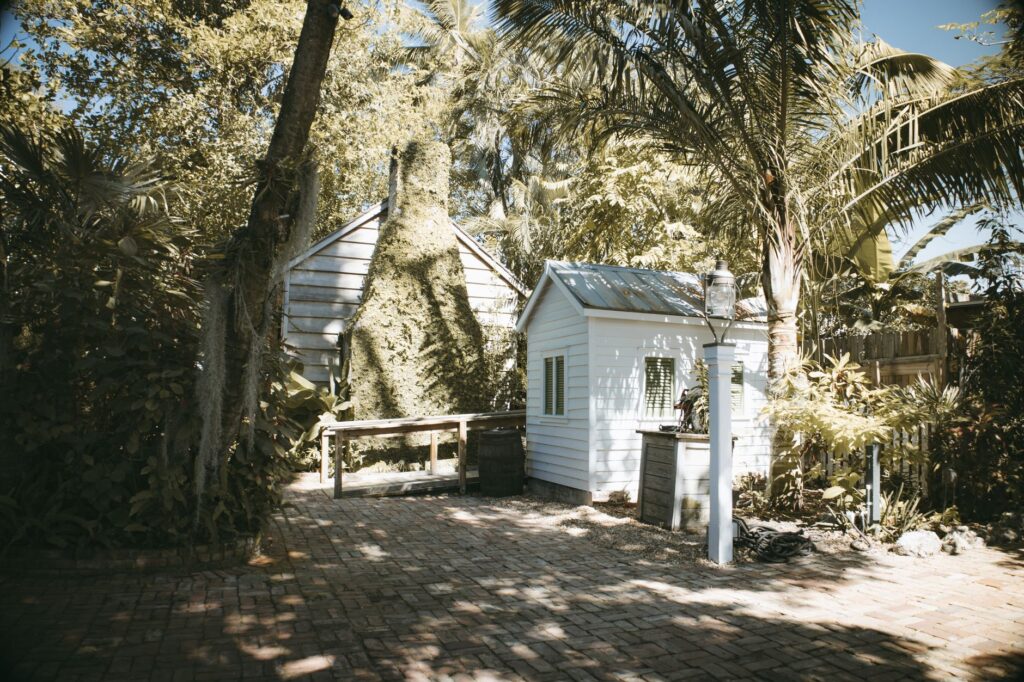
Wood outdoor sheds, like our lofted barn line, use pressure-treated framing that resists rot in humid conditions. Metal structures shrug off termites entirely, which matters in older neighborhoods across Polk and Hillsborough counties.
Durability Factors That Matter Locally
Salt air near coastal towns like Daytona Beach or St. Augustine accelerates corrosion on lower-grade metal panels. According to the National Weather Service, Florida counties regularly see tropical-storm-force gusts, so wind rating matters more than paint color.
| Material | Best For | Maintenance | Typical Lifespan |
|---|---|---|---|
| Wood | Custom looks, workshops, cabins | Repaint/reseal every 2-4 years | 20-30+ years |
| Metal | Low upkeep, pest resistance | Occasional panel check | 25-40 years |
💡 Expert Insight: I’ve walked customers through both options for years, and the honest answer is: choose based on how you’ll use the space, not just price per square foot. A workshop favors wood’s insulation-friendly framing; a pure storage box favors metal’s low maintenance.
⚠️ Common Mistake: Buying the cheapest shed outdoor kit available without checking its wind rating. A structure that isn’t engineered for local codes can void warranties and fail inspection.
Understand Florida Permit Rules
Quick Answer: Many Florida counties allow small sheds under a certain square footage without a permit, but rules vary by jurisdiction. Always confirm with your local building department before installation day.
Marion County, for example, has specific thresholds and setback rules that differ from Alachua or Duval. We break this down further in our Marion County shed permit guide, which covers size limits and required documentation.
Setbacks and HOA Considerations
Beyond county rules, homeowners’ associations in communities around Ocala and Orlando often have their own placement requirements. Check both layers before finalizing your outdoor shed location, since HOA approval can take longer than the county permit itself.
📊 Data Point: Building departments across the state report that oversized or improperly sited accessory structures are among the most common code violations for residential properties, according to county planning offices.
Budget for Your Outdoor Shed
Quick Answer: Expect a wide price range depending on size, material, and finish level, from a basic utility model to a fully insulated cabin-style build. Financing and rent-to-own programs make higher-end options reachable without saving up the full amount first.
A compact utility shed sits at the entry-level price point, while a finished deluxe cabin with windows, shutters, and loft space costs considerably more. Delivery, site leveling, and installation should always be part of the quoted price, not billed separately later.
Financing Makes the Decision Easier
One misconception we hear often: buyers assume they need full cash up front. Rent-to-own and financing plans spread the cost over manageable payments, which is why so many families across Pasco and Seminole counties choose to upgrade sooner rather than waiting years. The Consumer Financial Protection Bureau offers general guidance on comparing financing terms if you want a second opinion before signing.
✅ Quick Tip: Ask for an itemized quote that separates the shed, delivery, site prep, and any electrical add-ons. It prevents surprise costs after delivery day.
| Budget Tier | Example Build | Good For |
|---|---|---|
| Entry | Basic utility shed | Tools, mower, seasonal storage |
| Mid-range | Lofted barn or side utility | Workshops, larger equipment |
| Premium | Deluxe cabin, studio shed | Home office, guest space, hobby room |
Match a Shed Style to Your Property
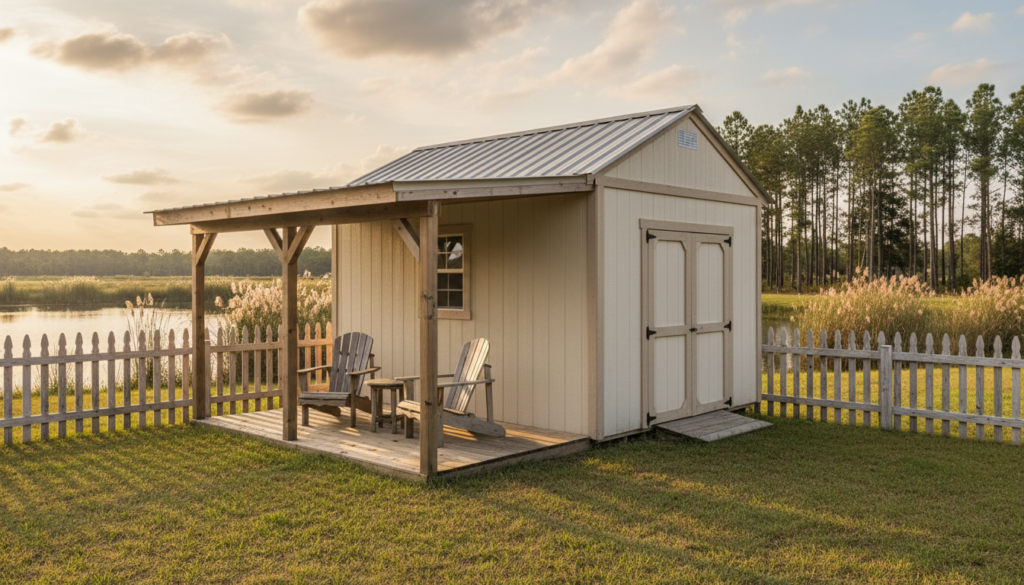
Quick Answer: Your outdoor shed should complement your home’s roofline and your yard’s layout, not just its interior needs. Barn-style roofs suit rural properties, while cabin-style sheds fit residential neighborhoods.
Homeowners near Palatka and New Port Richey with larger acreage often lean toward barn-style silhouettes that echo existing outbuildings. In tighter suburban lots around Tampa or Jacksonville, a lower-profile utility or side cabin design blends in more naturally with fencing and landscaping.
Beyond Storage: Covered Living Space
Sheds aren’t the only structures that extend outdoor living. Many customers pairing a shed purchase also ask about carports for vehicle protection, or custom outdoor pavilions and outdoor pergolas and gazebos for shaded seating. These outdoor coverings turn an unused side yard into a genuine outdoor covered area for entertaining, and they’re worth planning alongside your shed if budget allows.
💡 Expert Insight: When customers ask us to design a full backyard layout, we usually recommend siting the shed first, then building shade structures around it. It keeps sightlines clean and access paths short.
One caveat worth noting: not every property has room for both a shed and a separate shade structure. If your lot is small, a custom build that combines a covered porch with your shed’s roofline can solve both needs in one footprint.
Frequently Asked Questions
What size outdoor shed do I need for a standard Florida backyard?
Most suburban lots comfortably fit a 10×12 to 10×16 shed without overwhelming the yard. Measure your intended footprint and check setback rules first, since county and HOA limits vary by location.
Do I need a permit for an outdoor shed in Ocala or Gainesville?
It depends on square footage and placement; many counties exempt very small structures but require permits above a certain size. Marion and Alachua counties each set their own thresholds, so confirm with the local building department before ordering.
How much does a quality outdoor shed cost in Florida?
Pricing depends heavily on size, material, and finish, ranging from basic utility models to fully finished cabin-style builds with windows and lofts. Financing and rent-to-own plans are commonly used to spread out the cost.
Is a metal or wood outdoor shed better for humid climates?
Both perform well when properly engineered, but metal typically needs less maintenance and resists pests better in humid regions like Tampa and Jacksonville. Wood offers more customization and a traditional look but needs periodic resealing.
Can an outdoor shed be delivered and installed the same day?
Delivery and setup timing depends on site readiness, size, and current order volume, and it’s rarely a true same-day process for larger structures. A cleared, level site speeds things up significantly, and our team coordinates delivery and installation as one service.
What’s the difference between a utility shed and a studio shed?
A utility shed is built primarily for tool and equipment storage with minimal finishing. A studio shed adds insulation, windows, and interior finishing so it can serve as a workspace, office, or hobby room.
Are rent-to-own outdoor sheds a good option for Florida homeowners?
Rent-to-own can be a practical path for buyers who want a quality structure without paying the full price upfront. It’s worth comparing total cost over the term against a traditional financing plan to see which fits your budget better.
Final Thoughts
Choosing the right outdoor shed comes down to matching size, material, and style to how you actually live and work in your yard. Florida’s climate adds real constraints — wind rating, humidity resistance, and local permit rules all matter more here than in milder states. Take the time to plan the footprint, confirm county requirements, and compare financing options before you commit.
- Measure your yard and list everything you need to store.
- Check your county’s permit rules and any HOA restrictions.
- Compare wood and metal options against your climate and maintenance preference.
- Ask about financing or rent-to-own terms if paying in full isn’t ideal.
- Request a detailed quote that includes delivery and installation.
Ready to see your options in person? Request your free quote today and our team will walk you through sizes, materials, and financing built for Florida homeowners.